
Harlem to Kansas City: A Summer of Can We Kick It?
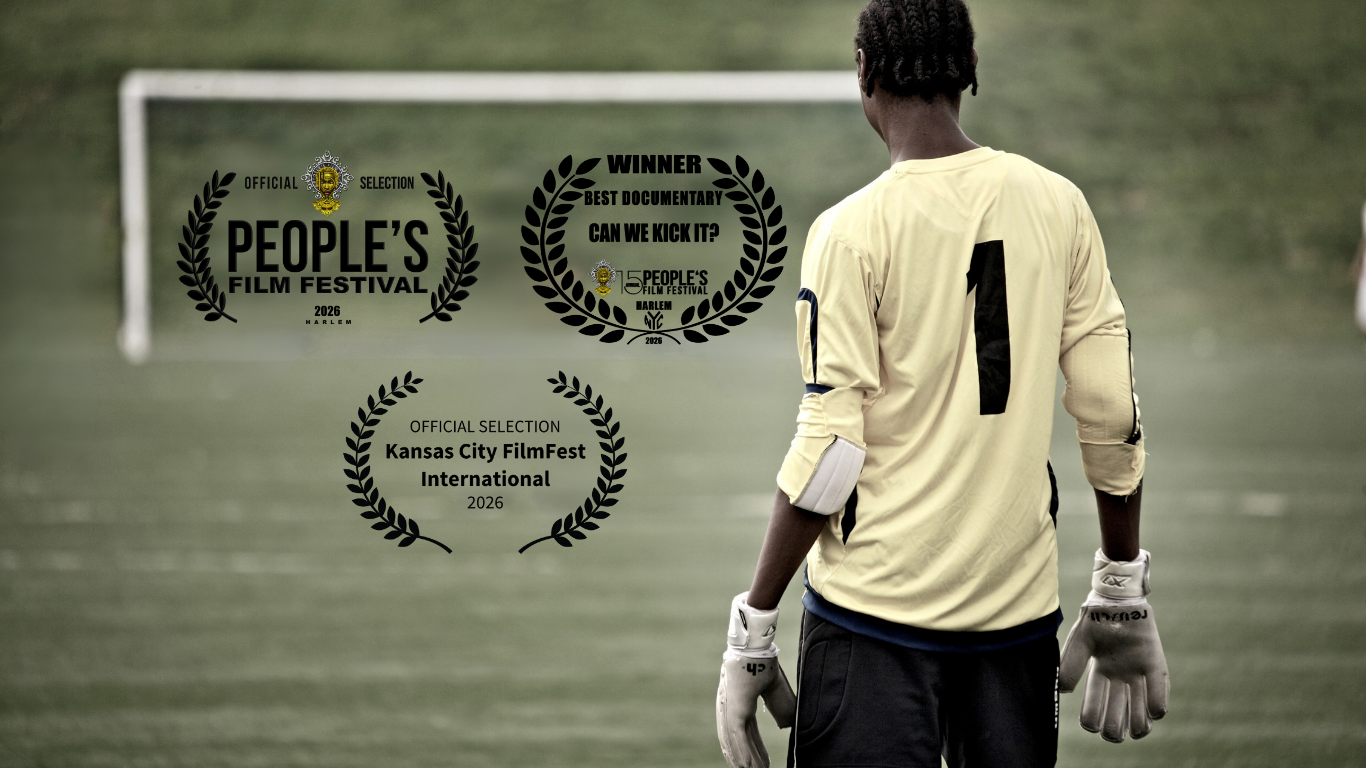
The film’s first screening run brought its questions about access, culture, and American soccer into theaters, museums, and an HBCU—and carried the conversation beyond those rooms.
By CWKI Journal
A film takes on another life when an audience enters the room.
For Can We Kick It?, that life began in Harlem this spring and continued through Charlotte, Philadelphia, Baltimore, and Kansas City. Each stop brought the film into a different setting, with its own history and relationship to the game. Together, they gave the documentary’s central questions a place to be heard: Who gets access? Whose history gets remembered? And who gets to shape the future of American soccer?
Those questions were the reason for making the film. Following its premiere, they became the thread connecting a summer of screenings, conversations, and press.
Beginning in Harlem
Can We Kick It? premiered at the AMC Magic Johnson Theater as part of The People’s Film Festival, where it won Best Documentary.
Opening in Harlem carried meaning beyond the award. The neighborhood is connected to the early public roots of Concrete2Green, the creative platform behind the film. Bringing CWKI into that room connected years of work to an audience encountering the finished documentary for the first time.
The recognition also affirmed the film’s reach beyond the field. Soccer is its starting point, but the story moves through Black history, culture, education, and the systems that determine who receives an opportunity.
That connection continued when the film returned to Harlem for a screening at Maysles Documentary Center, in partnership with The People’s Film Festival. The return brought the conversation back to a place that helped shape the idea behind it: building from the neighborhood outward.
Different Cities, Shared Questions
In Charlotte, the screening at Independent Picture House connected the film’s national questions to the personal roots of director Akbar Majeed and the longer history of Concrete2Green.
There is something meaningful about bringing a project home after years of developing it. The film arrived with a story about American soccer, but also with the history of the people and places that made that story possible.
Philadelphia offered another setting. At the African American Museum in Philadelphia, CWKI entered a space dedicated to preserving and examining Black history and culture. This setting reinforced a central concern of the documentary: Black communities belong in telling the stories of soccer’s past and in the decisions shaping its future.
At Morgan State University in Baltimore, the film returned to an HBCU space connected to history, education, and the larger question of who gets to shape the future of the game.
Coach Lincoln Phillips saw the film there for the first time. His response became one of the most meaningful moments of the run. After praising the documentary, Phillips reflected on how Pelé had taken the game to another level and expressed his belief that Can We Kick It? could move the conversation to another level of its own.
Coming from a figure whose life and work are part of the history the film explores, that response carried particular weight. It connected the documentary to someone who continues living the struggle to create opportunity in the game.
Beyond the Screening Rooms
The summer also brought the film into a wider public conversation.
William C. Rhoden featured Can We Kick It? in Andscape’s “Why U.S. soccer is a baffling World Cup underdog,” placing the documentary within his examination of American soccer’s access and development challenges.
For CWKI, that connection matters. The film asks audiences to consider what the country’s soccer ambitions mean when so much potential remains outside the established pathways.
Rhoden also featured Reggie Wilson, one of the voices in the documentary, in separate reporting on African soccer. That article explored questions of infrastructure, development, and whether talent has the support needed to become lasting opportunity. Its subject connects to the global perspective running through CWKI.
Coverage from The Charlotte Post, The AFRO, and The Guardian helped introduce the film to readers beyond its screening audiences. Separately, The Guardian interviewed Mel Brennan, another voice featured in CWKI, about football governance, accountability, and opportunities lost through institutional failures.
Taken together, these stories widened the discussion around the film and the people whose experiences help give it depth.
Kansas City and the Next Chapter
In September, the journey continued at Kansas City FilmFest International.
The festival brought CWKI to another audience and another city with deep sports and cultural history. It extended a run that began in Harlem and grew through independent theaters, a museum, and a university.
Looking back, the value of that journey lives in the rooms themselves. People made time to watch a film that asks difficult questions about a game’s place in American life. Festivals and venues created space for it. Journalists carried its themes to readers who had yet to see it.
That is a foundation C2G can continue to build on: an audience connected through a shared interest in culture, history, and opportunity.
The next phase includes additional screenings, educational and community licensing, and continued storytelling through the CWKI Journal and Concrete2Green. The work is to deepen that relationship with the audience and keep opening space for the stories the film brings forward.
From Harlem to Kansas City, Can We Kick It? has begun that work.
The talent is here. The system isn’t.
The work continues.
Comments are closed.