
In the Room: What Baltimore Showed Us
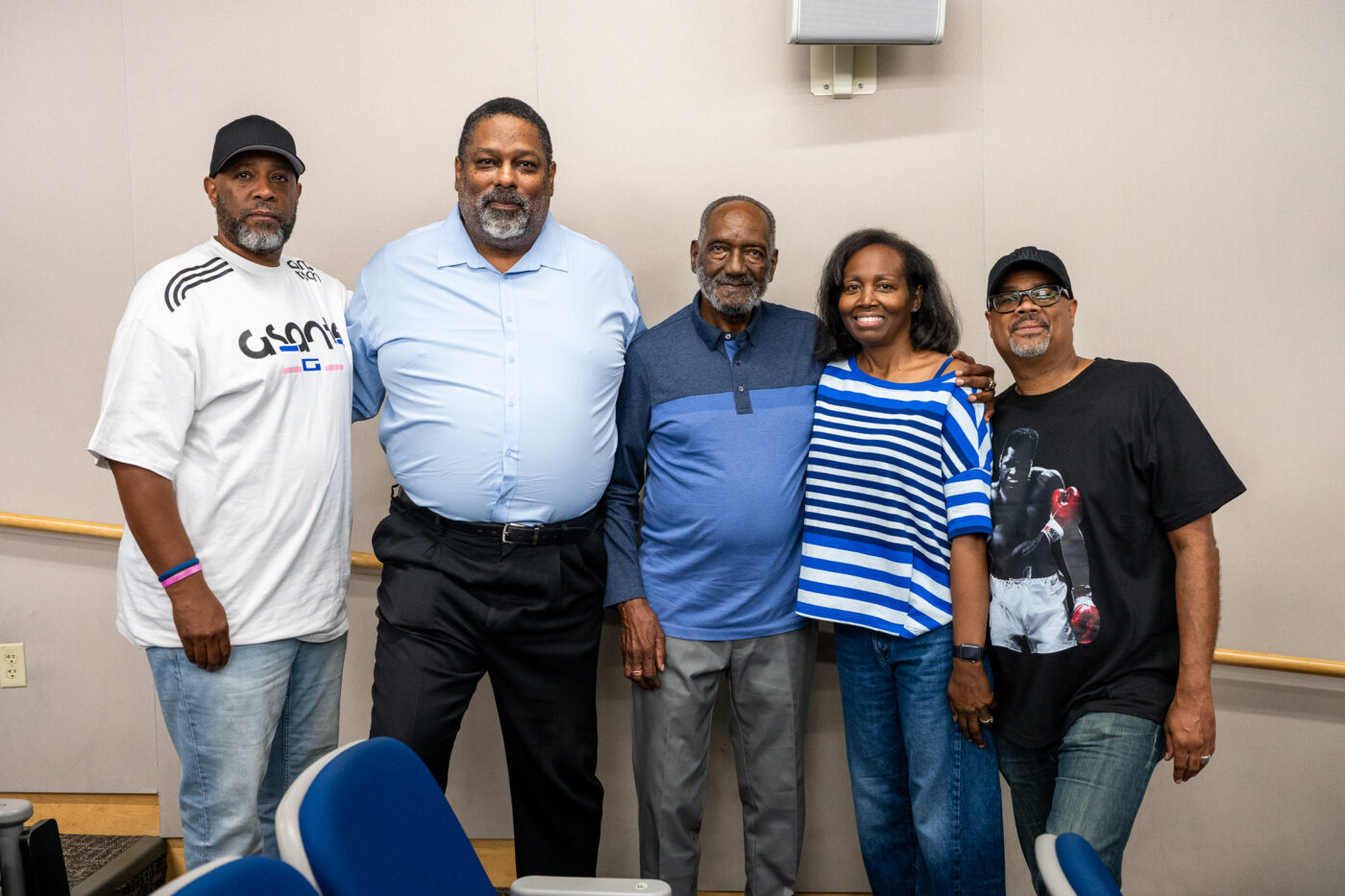
CWKI Journal | In the Room
Every screening of Can We Kick It? teaches us something different.
Baltimore reminded us why the room matters.
On August 1, we brought the film back to Morgan State University for a Baltimore screening, and like every city before it, the conversation became bigger than just watching a documentary. It became about memory, access, history, and what people see when they finally recognize their own experience inside the story.
One of the most powerful moments of the night came from Coach Lincoln Phillips seeing the film for the first time.
His presence mattered because he is part of the history the film is speaking to. He is not watching this story from a distance. He lived through pieces of it, coached through pieces of it, and understands what it means for soccer in America to either open doors or leave people standing outside of them.
After the screening, he told us we did an excellent job with the film.
But what stayed with me most was something bigger.
He said Pelé took the game to another real level — and that he believes Can We Kick It? can take the game to another whole level.
That meant a lot.
Not because the film is trying to compare itself to Pelé. Nothing does that. Pelé changed how the world saw the game. But what Coach Phillips was speaking to was the possibility of impact. The possibility that a story, told at the right time, with the right truth behind it, can shift how people see the game, the culture, and the communities that helped shape it.
That is what we have been learning city by city.
The film is not only about soccer. It is about who has been seen, who has been missed, and what America has failed to build around the talent and culture already here. It is about the players, coaches, families, neighborhoods, and communities that have always understood the game’s power, even when the larger system did not fully embrace them.
Baltimore confirmed that again.
When people are in the room together, the film lands differently. The history feels closer. The questions feel more personal. The conversation becomes less about whether soccer can grow in these communities and more about why the country has waited so long to take them seriously.
That is why these screenings matter.
They are not just events. They are proof. They show us that the audience is there. The memory is there. The emotion is there. The frustration is there. And most importantly, the belief is still there.
Coach Phillips’ response reminded us that Can We Kick It? is moving the way it was supposed to move — through real rooms, real people, and real conversations.
Baltimore gave us another one of those rooms.
And as the film continues forward, that is what we are building on.


Comments are closed.